Everything is kind of complicated because of these strict feature restrictions.
Experienced users already have standards and intuition built during many years of working with software and infrastructure. Simple example — every time I want to save, import, or export something, I naturally look for “File” in the top-left corner. That’s a behavior learned from years of experience. If someone suddenly moves it to the bottom-right corner, I may never even think to look there.
For me, API access, Git integration, Sentry integration, MCP support — these are already very basic things required to build something stable and reliable. Not “enterprise luxury” features.
At this point I already learned too much about Retool internally just to keep my environment stable enough:
- how the Postgres structure works
- how page trees are stored
- lookupPageByUuid
- what Redis is used for
- what can be cached on the web server side
- blue/green deployments
- backups and restore procedures
- custom Git workflows
- splitting huge pages into multiple pages to improve loading times
Maybe that sounds impressive, but honestly, I was never supposed to deep dive into Retool internals that much just to operate it comfortably in production.
And this is not even about me needing help anymore. I already built my own workarounds. I cloned large parts of the Retool experience with Claude already. I made my own automation instead of MCP. It opens edit mode, makes changes, compares structures — everything works. I’ll survive.
That’s not the reason I opened this topic.
I just wanted to say it feels bad (actually s*cks) when very basic operational capabilities are treated as enterprise-only features, while small teams are not even allowed to upgrade into those plans sometimes.
I simply wanted to understand if our philosophy matches. Because historically, almost every great technology ecosystem was built by communities sharing the same philosophy around openness, flexibility, and empowering builders.
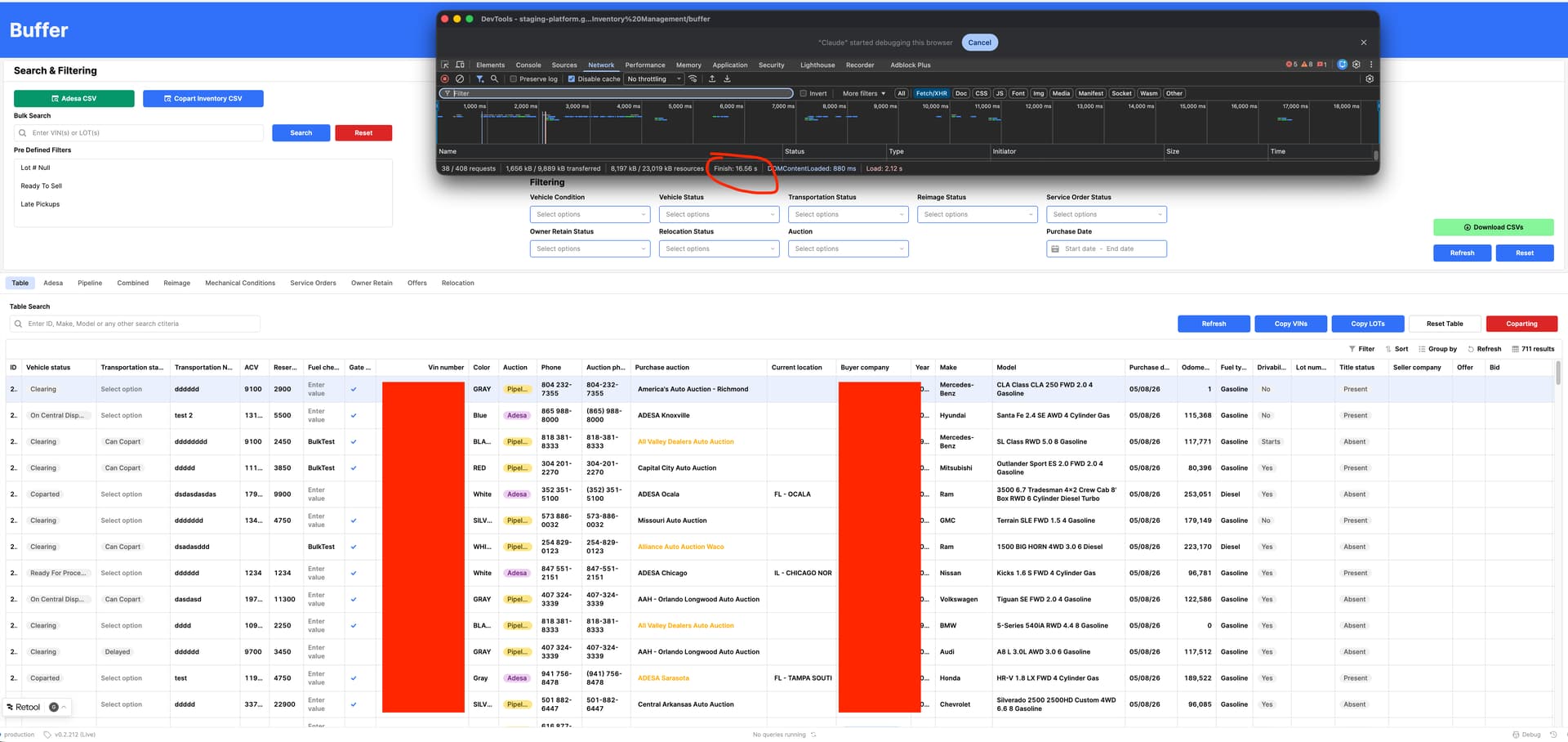
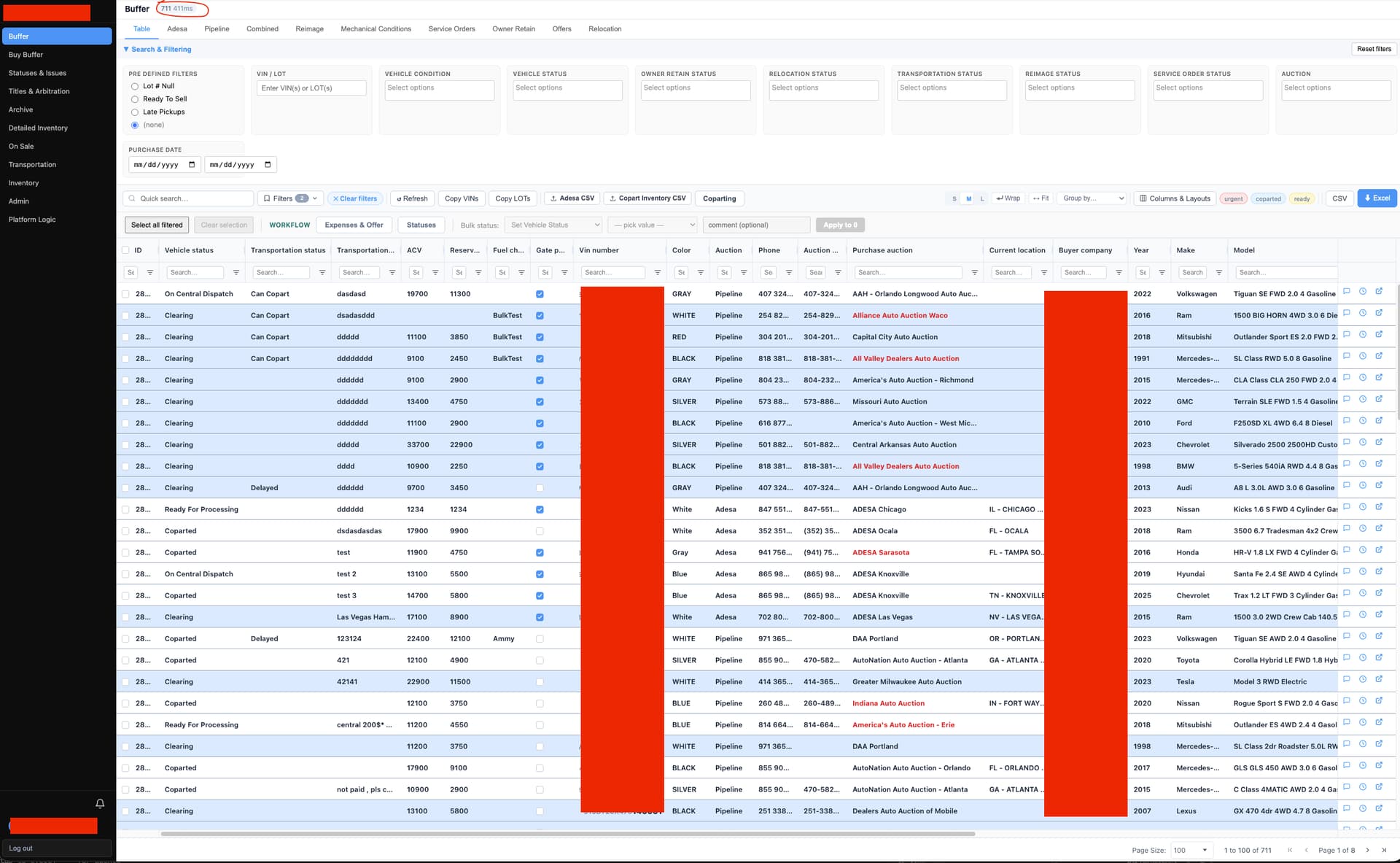
 and yeah… MCP is not released for self-hosted retool yet…